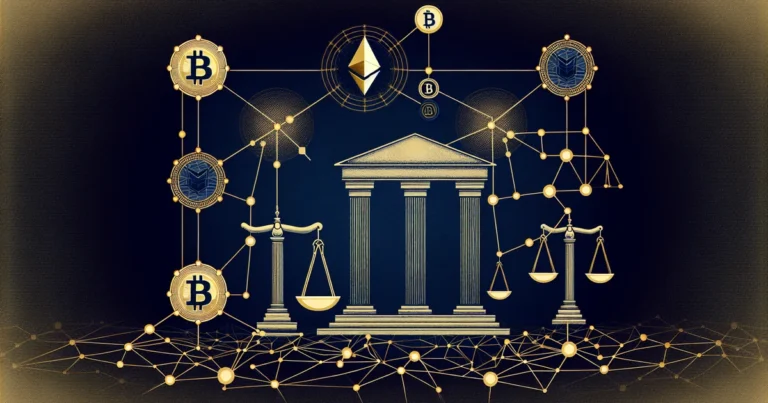
Layer 2 Legal Issues: Rollups, Sidechains, and Regulatory Treatment
Layer 2 scaling solutions have become essential infrastructure for blockchain networks. Understanding the unique legal considerations for rollups, sidechains, and other L2 technologies helps developers and users navigate this complex landscape.
4 min read
What Are Layer 2 Solutions?
Layer 2 technologies process transactions off the main blockchain while inheriting its security:
- Optimistic rollups – Assume validity with fraud proofs
- ZK rollups – Cryptographic validity proofs
- State channels – Off-chain transaction channels
- Sidechains – Independent chains with bridges
Securities Analysis for L2 Tokens
Many L2 solutions have native tokens. The securities analysis depends on token function, distribution method, and the degree of decentralization. Governance tokens for L2 protocols face similar scrutiny as L1 tokens.
Bridge Risks and Liability
Bridges connecting L1 and L2 have been targets of major hacks. Legal questions include operator liability for bridge failures, insurance coverage, and user recourse when funds are lost.
Regulatory Jurisdiction
L2 transactions may have different regulatory treatment than L1. If an L2 is operated by an identifiable entity, that entity may face compliance obligations even if the underlying L1 is decentralized.
Sequencer Centralization
Many L2 solutions rely on centralized sequencers for transaction ordering. This centralization creates regulatory touchpoints and potential liability that fully decentralized systems might avoid.
MEV and Front-Running
Maximum extractable value strategies on L2 raise market manipulation concerns. Sequencers with visibility into pending transactions face potential liability for front-running or allowing others to do so.
Legal Framework Overview
The cryptocurrency industry operates within a complex and evolving legal framework that spans multiple regulatory domains. Companies must navigate securities laws, banking regulations, tax requirements, consumer protection rules, and anti-money laundering obligations.
Successful compliance requires understanding how these various frameworks interact and developing comprehensive programs that address all applicable requirements.
Industry Best Practices
Leading cryptocurrency companies implement robust compliance programs that include thorough legal analysis of products and services, regular regulatory monitoring, staff training, and relationships with experienced legal counsel.
Proactive engagement with regulators, participation in industry associations, and contribution to policy discussions can help shape favorable regulatory outcomes while demonstrating good faith compliance efforts.
Future Regulatory Developments
The regulatory landscape continues to evolve as lawmakers and agencies develop frameworks specifically tailored to digital assets. Companies should monitor proposed legislation, agency guidance, and enforcement trends to anticipate compliance requirements.
Building flexible compliance infrastructure allows organizations to adapt as regulations mature, reducing the need for costly overhauls when new requirements take effect.
Key Considerations for Cryptocurrency Businesses
Organizations operating in the cryptocurrency and blockchain space face a unique set of legal and regulatory challenges. Understanding these requirements and implementing appropriate compliance measures is essential for sustainable business operations.
The regulatory landscape continues to evolve rapidly, with new guidance and enforcement actions regularly reshaping the compliance obligations for digital asset businesses. Companies must remain vigilant in monitoring these developments and adapting their practices accordingly.
Working with experienced legal counsel who understands both the technical aspects of blockchain technology and the applicable regulatory frameworks can help organizations navigate this complex environment effectively.
Practical Implementation Steps
Implementing an effective compliance program requires a structured approach that addresses all relevant regulatory requirements while remaining practical for day-to-day operations. Key steps include conducting thorough risk assessments, developing written policies and procedures, training staff, and establishing monitoring and testing protocols.
Regular reviews and updates to compliance programs ensure they remain effective as regulations evolve and business activities change. Documentation of compliance efforts provides valuable evidence of good faith efforts should regulatory questions arise.
Building relationships with regulators and participating in industry discussions can also help companies stay ahead of emerging requirements and contribute to the development of sensible regulatory frameworks.
Looking Ahead
The cryptocurrency industry stands at a critical juncture as regulatory frameworks mature and institutional adoption continues to grow. Companies that invest in robust compliance infrastructure now will be well-positioned to take advantage of opportunities as the market develops.
Understanding the legal landscape and implementing best practices not only reduces regulatory risk but also builds trust with customers, partners, and investors. This foundation supports sustainable growth in an industry that continues to transform global finance and commerce.